CPI vs PCE: Why the Fed Targets an Inflation Measure Most People Have Never Heard Of
Headlines quote CPI. The Federal Reserve's 2% target is set against PCE, a different index that usually reads lower. The gap is not a rounding difference and the reasons for it are instructive.
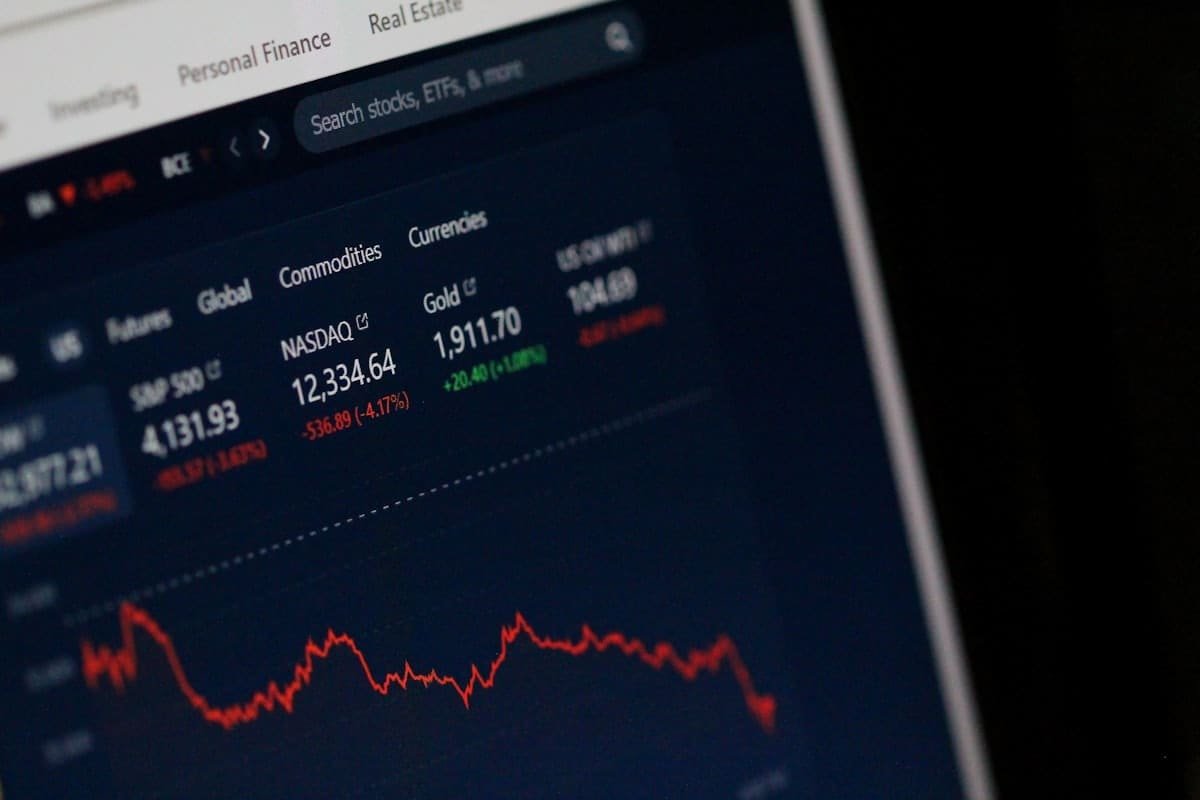
An inflation figure is released. Headlines lead with it. Markets move.
Then someone points out that the central bank targets a different index entirely, and that the one in the headline is not the one the 2% figure refers to.
Both statements are true, and the distinction matters more than it sounds.
Two agencies, two indices
The Consumer Price Index is produced by the Bureau of Labor Statistics. It measures the change in prices paid by urban consumers for a basket of goods and services, with weights drawn from surveys of what households actually buy.
The Personal Consumption Expenditures price index is produced by the Bureau of Economic Analysis, as part of the national accounts. It covers a broader definition of consumption and draws heavily on business survey data rather than household surveys.
They are measuring adjacent things by different methods, and they disagree - usually with PCE reading lower.
Why the gap exists
Four differences account for most of it.
Substitution. This is the largest conceptual difference. CPI's basket is relatively fixed within a period: if beef prices rise, the index reflects the higher cost of the same amount of beef. PCE's formula allows for the fact that people buy less beef and more chicken when beef gets expensive. Since substitution reduces the actual cost of living relative to a fixed basket, PCE tends to come in lower.
Weights. PCE updates its weights more frequently, so it reflects current spending patterns sooner. CPI weights are revised on a slower cycle.
Scope. PCE includes spending made on behalf of consumers - most significantly, healthcare paid by employers and by government programmes. CPI counts only what households pay directly. Because healthcare is a large and distinctly behaved category, this matters.
Formula. The two indices aggregate prices using different mathematical approaches, which produces a small systematic difference independent of everything above.
None of these makes one index wrong. They answer slightly different questions.
Which one the Fed uses, and why
The Federal Reserve's 2% objective is defined in terms of PCE inflation. The Fed's own published explanation of the target describes it in those terms.
The reasoning, as the Fed has set out over the years, comes down to PCE's broader coverage, its more current weighting, and its accommodation of substitution - all of which make it, in their view, a better description of what consumers actually experience across the whole economy.
The practical consequence for anyone reading markets: a CPI print is not a direct read on the target. A CPI release can be uncomfortable while the corresponding PCE figure, published later in the month, is less so. Markets know this and trade CPI anyway, because it arrives first and is a reasonable predictor of PCE.
Core, and why it is not a dodge
Both indices have a core version excluding food and energy.
This is routinely characterised as economists ignoring the prices that matter most to ordinary people. That criticism misunderstands the purpose.
Food and energy prices move for reasons monetary policy cannot address: a drought, a harvest, a conflict affecting oil supply. Those moves are frequently large and frequently reverse. A headline number driven by a temporary energy spike tells you very little about whether underlying inflationary pressure is building.
Core exists to answer a specific question: is there persistent inflation that policy should respond to? It is a diagnostic tool, not a claim about household budgets.
Central banks track both. The headline figure is what the target refers to. The core figure is what informs judgements about where headline is heading.
What else is worth reading
Several other cuts of the data exist, and they resolve arguments that headline figures start.
Trimmed mean and median measures exclude the largest movers in both directions rather than a fixed category. They are less arbitrary than excluding food and energy, and they often tell a cleaner story.
Services versus goods. Goods inflation responds to supply chains and global prices. Services inflation is more closely tied to wages and is stickier. A headline figure falling because goods prices are dropping while services inflation stays firm is a very different situation from broad-based disinflation.
Shelter. Housing costs carry a large weight and are measured with a substantial lag, because they reflect the whole stock of rents rather than newly signed leases. This means the index can be showing yesterday's housing market for many months.
How markets actually trade it
The same way they trade every scheduled release: on the surprise relative to the forecast, not on the level.
An inflation figure that comes in exactly as expected moves very little, however high it is, because the expectation was already priced. A moderate figure that misses the forecast in either direction can move markets sharply.
This is also why the detail matters. A headline in line with expectations, with core above and services accelerating, is a hawkish release wearing a neutral headline. The first algorithmic move keys off the headline; the second move follows once the composition has been read.
The lag nobody accounts for
Both indices describe the past, and by more than the publication delay suggests.
Shelter is the clearest case. Housing costs carry a heavy weight in CPI, and they are measured across the entire stock of rental agreements rather than newly signed ones. Most tenants are partway through a lease at any moment, so the index reflects rents agreed months or years ago.
When market rents turn, the index keeps reporting the old direction for a long time afterwards. Analysts watching private new-lease data have repeatedly seen turning points that took the best part of a year to reach the official figure.
This has a practical consequence. A central bank responding to a headline number is responding partly to conditions that have already changed - which is one reason policy is described as acting with long and variable lags. Some of the lag is in the transmission. Some of it is in the measurement.
The bottom line
CPI is the number you hear. PCE is the number the target is set against. PCE typically reads lower, for reasons rooted in substitution, weighting and scope rather than in anything suspect.
Anyone comparing an inflation headline against a 2% target is usually comparing two different series. Knowing which is which takes a minute and prevents a specific, common misreading of what a central bank is likely to do next.
This article is educational and is not financial advice. Economic data is subject to revision and past patterns do not indicate future results.
Frequently asked questions
What is the difference between CPI and PCE?+
They measure overlapping but different things. CPI tracks a fixed basket of goods and services bought by urban consumers, using survey data on household spending. PCE covers a broader range of consumption, including spending made on consumers' behalf such as employer-paid healthcare, and uses business survey data. The two use different weights and different formulas, which produces a persistent gap.
Which inflation measure does the Federal Reserve target?+
The PCE price index, and specifically its headline version for the 2% goal, with close attention paid to the core measure that excludes food and energy. This is why a CPI release that dominates headlines may not move policy expectations as much as people expect - it is not the series the target is defined against.
Why is PCE usually lower than CPI?+
Two main reasons. PCE uses a formula that accounts for substitution - when beef gets expensive, people buy more chicken - whereas CPI's basket is more fixed. And PCE weights are updated more frequently to reflect changing spending patterns. The differences in what each index covers and how healthcare is weighted also contribute.
Why do economists focus on core inflation?+
Because food and energy prices are volatile for reasons that often have nothing to do with underlying inflation - weather, harvests, conflict affecting oil supply. A single month's headline figure can swing sharply on an energy move that reverses. Core strips those out to show the trend that monetary policy can actually influence. It is not a claim that food and fuel do not matter to households.
Sources and further reading
Risk warning
Trading cryptocurrencies, forex and leveraged derivatives involves substantial risk of loss and is not suitable for every investor. Our content is journalism and education — never personalised financial advice. Full disclaimer.
Published by
Trading News GlobalTrading News Global is an independent publication. Our articles are researched, written and edited in-house against the standards set out in our editorial policy, and published under the newsroom byline rather than individual names. Responsibility for everything on this site sits with the publication, and every article carries a route to correct it.