Contango and Backwardation: Why Commodity Funds Lose Money in Rising Markets
A commodity price can rise 40% over a year while a fund tracking it falls. The explanation is the shape of the futures curve, and it applies to oil, gas, volatility and more.
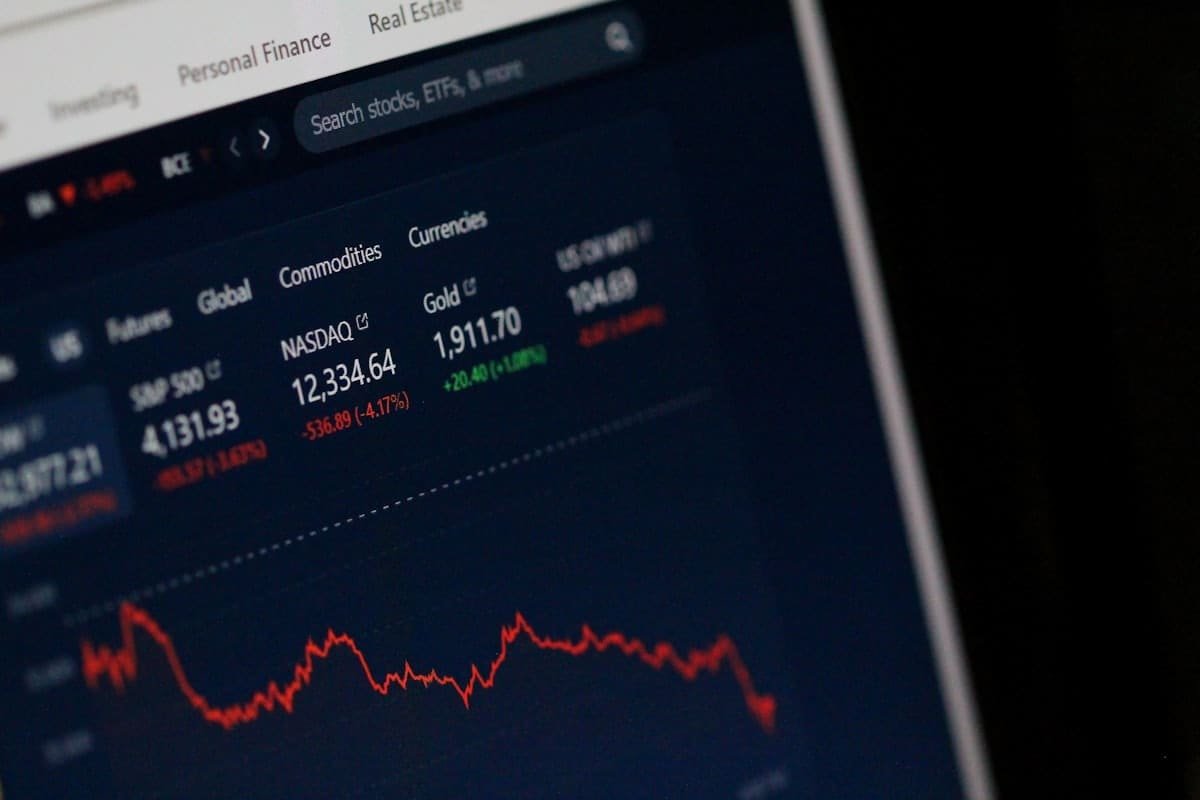
Someone forms a view on a commodity. They are right - the price rises substantially over the following year. They bought a fund tracking it, and the fund is down.
This is not a scandal, a fee problem or a tracking error. It is the shape of the futures curve, and it is one of the most expensive things in markets that almost nobody is told about before they buy.
Why funds hold futures at all
Storing physical commodities is impractical for a fund. Crude oil requires tank capacity. Natural gas requires specialised facilities. Copper requires warehouses.
So most commodity funds hold futures contracts - agreements to buy at a set price on a future date - rather than the commodity itself. The main exception is precious metals, where physical storage is feasible and many funds hold actual bullion in vaults.
Futures have a property that physical metal does not: they expire. A fund intending to maintain continuous exposure must therefore keep replacing them. Sell the contract that is about to expire, buy one dated further out. This is rolling, and it happens on a schedule, forever.
The cost of that repeated transaction depends entirely on the shape of the curve.
The two shapes
Contango: later contracts cost more than nearer ones. The curve slopes up.
Backwardation: later contracts cost less. The curve slopes down.
Neither is a market opinion about future prices, which is the most common misreading. They reflect the economics of holding the physical commodity between now and then.
Why contango is normal
Holding a physical commodity costs money.
Storage - tanks, warehouses, insurance. Financing - capital tied up in inventory that could be earning interest elsewhere. Spoilage or loss, for some commodities.
Someone who buys now and delivers in six months incurs all of that. The six-month futures price has to compensate them, so it sits above the current price by roughly the carrying cost.
This is why contango is the resting state for most storable commodities. It is an equilibrium, not a forecast.
Why backwardation signals scarcity
When nearer contracts trade above later ones, someone is paying a premium for immediate delivery rather than waiting.
That normally means physical tightness. A refinery that needs crude this month cannot substitute crude next month. During supply disruptions, buyers with real operational needs bid up prompt delivery, and the curve inverts.
Backwardation is therefore a useful physical-market signal, and one of the cleaner ways to distinguish genuine shortage from a market pricing risk. A conflict headline that lifts the whole curve is pricing probability. A conflict that pushes the front month above later ones is showing actual scarcity.
The arithmetic that does the damage
Here is the mechanism, made concrete.
A fund holds contracts expiring next month at 100. Expiry approaches. The following month's contract trades at 103 - contango.
The fund sells at 100 and buys at 103. With the same money it now holds fewer contracts than before.
Nothing about the commodity changed. The fund simply has less exposure than it started with, because it sold the cheap contract and bought the dear one.
Repeat monthly. Each roll costs a little. Over a year in steep contango, the cumulative loss can be very large - large enough to overwhelm a substantial rise in the underlying commodity.
This is negative roll yield, and it is why several well-known commodity funds have declined dramatically over long periods while the commodities they track went sideways or up.
In backwardation the same mechanism works in reverse: the fund sells high and buys low, and roll yield is positive. That is genuinely favourable, and it is the less common condition for most commodities.
Where else this shows up
The pattern is not confined to commodities.
Volatility products are the starkest case. Futures on volatility indices normally trade above the spot index, so funds holding them roll at a loss continuously. This is why long volatility products lose value even when the index is flat, and why they are unsuitable for holding over long periods.
Currency and rate futures carry a related effect through interest rate differentials.
Anywhere a fund holds expiring contracts to give continuous exposure, roll cost applies.
What to do about it
Read what the fund holds. Physical or futures. This one line determines whether roll cost applies at all, and it is stated in the fund's own documentation.
Compare the fund against spot over several years. A widening gap is the roll cost, accumulated and visible. It takes one chart.
Check the curve before buying. Futures prices for successive months are published. If later contracts are meaningfully more expensive, you are buying into a headwind that operates regardless of your view.
Consider producer equities as an alternative, with the caveat that they bring company risk, cost inflation and management decisions alongside commodity exposure. Different exposure, not obviously better.
Do not hold steep-contango products long term. They are built for short-horizon positioning, and the documentation frequently says so in language people skip.
The bottom line
A commodity fund's return is the price move plus or minus the cost of rolling. In contango that second term is negative, it repeats every month, and it compounds.
That is how someone can be entirely right about a commodity and still lose money holding a fund that tracks it. The information needed to see it coming is published, free, and in the fund's own literature.
This article is educational and is not financial advice. Commodity and derivative products carry substantial risk of loss.
Frequently asked questions
What is contango?+
A futures curve where contracts for delivery further in the future trade at higher prices than nearer-dated ones. It is the normal shape for storable commodities, because holding physical goods costs money - warehousing, insurance and the financing of the capital tied up - and the futures price reflects those carrying costs.
What is backwardation?+
The opposite shape, where nearer contracts trade above later ones. It usually signals immediate scarcity: buyers need the commodity now and will pay a premium for prompt delivery rather than wait. It is common during supply disruptions and is generally a sign of physical tightness.
Why do commodity ETFs underperform the spot price?+
Because most hold futures rather than the physical commodity, and futures expire. The fund must continually sell the expiring contract and buy a later-dated one. In contango the later contract is more expensive, so each roll buys fewer contracts than it sold. Repeated monthly, this erodes returns regardless of what the spot price does.
How do I check whether a fund is exposed to this?+
Read what it holds. Funds holding the physical commodity - most notably physically backed gold funds - have no roll cost. Funds holding futures do. The fund's own documentation states which, and comparing the fund's multi-year chart against the spot price of the commodity shows the cumulative effect directly.
Sources and further reading
Risk warning
Trading cryptocurrencies, forex and leveraged derivatives involves substantial risk of loss and is not suitable for every investor. Our content is journalism and education — never personalised financial advice. Full disclaimer.
Published by
Trading News GlobalTrading News Global is an independent publication. Our articles are researched, written and edited in-house against the standards set out in our editorial policy, and published under the newsroom byline rather than individual names. Responsibility for everything on this site sits with the publication, and every article carries a route to correct it.